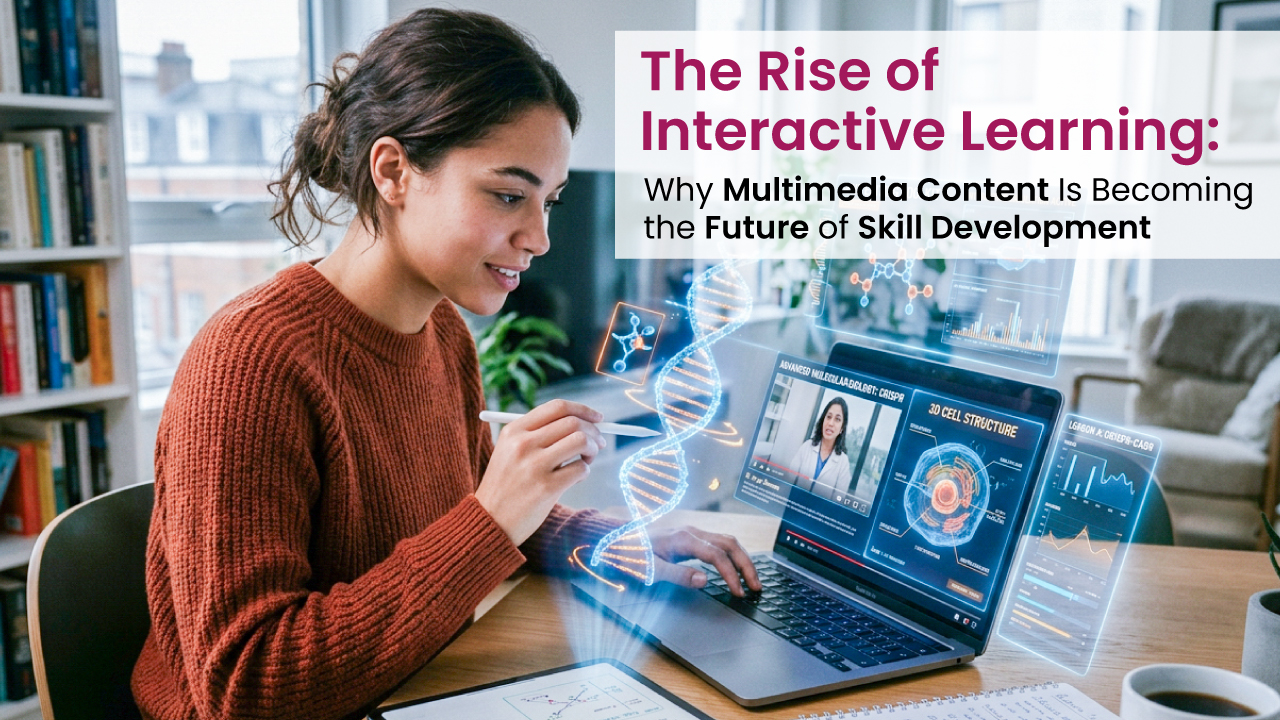
The change happened gradually at first. Students who once sat quietly in classrooms or read long texts began searching for something more engaging—something they could experience, not just consume. Over time, learning itself started to evolve. Screens introduced new possibilities, videos became more immersive, and tutorials offered practical, hands-on guidance.
This shift is more than a temporary trend. It represents a deeper transformation in how people access and understand knowledge. In today’s digital world, learners have more choices than ever, allowing them to interact with content in ways that suit their preferences. Interactive platforms provide real-time feedback, flexible learning paths, and community-driven discussions, making the learning experience more dynamic and meaningful.
As technology continues to grow, the distance between learners and knowledge keeps shrinking. Learning is becoming more personal, more accessible, and more engaging than ever before.
Understanding the Shift Toward Interactive Learning
Interactive learning is no longer optional—it is what modern learners expect. With an overwhelming amount of information available, people want content that is clear, engaging, and applicable. They want to explore ideas, test them, and understand how knowledge works in real-world contexts.
Multimedia formats such as videos, animations, guided lessons, and simulations meet these expectations effectively. Unlike traditional methods focused on memorization, today’s learning emphasizes application, creativity, and participation.
Step-by-step tutorials simplify complex topics, while visual guides transform difficult skills into manageable actions. Interactive modules maintain attention and encourage deeper involvement in ways that static content cannot achieve.
Three core forces are driving this transformation:
- Accessibility that removes barriers to learning
- Adaptability that personalizes the experience
- Engagement that keeps learners motivated and involved
The 3 Forces Driving Interactive Learning Growth
Accessibility has redefined who can learn and what they can achieve. Today, someone in a remote village can access high-quality lessons that were once limited to elite institutions. A busy professional can learn new skills in short, flexible sessions. Digital tools have made it possible to overcome language barriers, disabilities, and limited access to traditional education systems.
Adaptability ensures that learning is not one-size-fits-all. Multimedia content allows learners to pause, revisit, and absorb information at their own pace. Whether someone prefers visual learning, storytelling, or hands-on practice, modern systems adjust to meet those preferences. Adaptive technologies further enhance this by tailoring difficulty levels and providing instant feedback.
Engagement is what makes learning stick. People remember what they enjoy and what feels meaningful. Interactive features such as quizzes, gamified lessons, and storytelling elements help maintain focus and motivation. When learners feel involved and supported, they are more likely to continue learning and master new skills effectively.
The Future of Skill Development
Looking ahead, the future of learning will become even more immersive and personalized. Artificial intelligence will guide learners through customized pathways, recommending content based on their progress and interests. Augmented reality will allow individuals to explore concepts in realistic, interactive environments.
Collaborative digital platforms will make group learning seamless, regardless of physical distance. As these technologies evolve, learning will no longer feel separate from daily life—it will become a natural, continuous process.
Despite all technological advancements, one truth remains constant: people learn best when they feel inspired. True learning happens not just through information, but through meaningful experiences.
Sumangali Media: Shaping the Future of Interactive Learning
In this rapidly evolving landscape, Sumangali Media views learning as a journey that should be accessible to everyone, regardless of their background or experience. The organization focuses on creating learning experiences that go beyond information to spark curiosity and creativity.
Through immersive videos, structured tutorials, hands-on modules, and interactive guides, Sumangali Media transforms complex ideas into simple, practical learning experiences. Each piece of content is designed to support real-world application while remaining engaging and easy to understand.
By combining thoughtful design, storytelling, and modern technology, Sumangali Media ensures that learning becomes a collaborative and meaningful process. As knowledge continues to evolve, the organization remains committed to helping individuals grow with confidence, think critically, and develop lifelong skills.
| Insights | Explanation |
|---|---|
| Interactive learning is redefining skill development | Learning is shifting from passive memorization to active engagement through videos, simulations, tutorials, and guided experiences. |
| Accessibility is expanding who can learn | Digital content enables people across locations and backgrounds to access learning opportunities, overcoming traditional barriers. |
| Adaptability makes learning more personal | Modern platforms allow learners to control pace, format, and difficulty, improving understanding and confidence. |
| Engagement improves retention and mastery | Interactive features like quizzes, games, and storytelling make learning enjoyable and help learners retain information longer. |
| The future of learning is immersive & learner-centered | Emerging technologies such as AI and AR are creating personalized, practical, and continuous learning experiences. |
FAQs
Interactive learning involves engaging with content through videos, simulations, quizzes, and hands-on activities instead of passive reading. It focuses on participation and application, making learning more effective.
Multimedia combines visuals, audio, and interactivity to simplify complex ideas and improve understanding, helping learners retain information more effectively.
Interactive platforms make learning available anytime and anywhere, with features like subtitles, translations, and flexible pacing to support diverse learners.
Yes, it allows learners to choose formats that suit them and uses adaptive technology to adjust content and provide personalized feedback.
Sumangali Media creates engaging learning experiences through videos, tutorials, and interactive modules that focus on real-world application and collaboration.