← Back to Blog
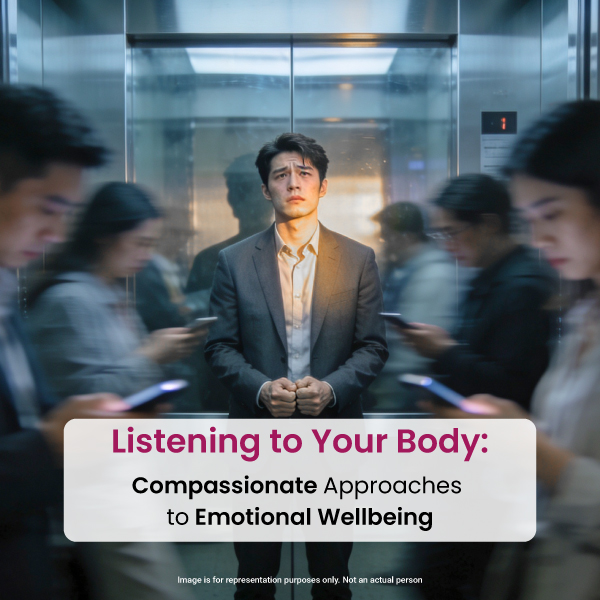
Listening to Your Body: Compassionate Approaches to Emotional Wellbeing
Physical symptoms such as fatigue, chest tightness, or restless sleep are often early signs of emotional distress, even if there is no obvious crisis. Many people try to ignore these feelings, hoping they will fade on their own. Over time, though, these signals become harder to overlook. Sleep gets worse, loud places feel overwhelming, and even small stresses can feel exhausting. People may start to ask themselves, “What is wrong with me?” In reality, the body is not turning against anyone; it is sending important messages about emotional overload.
Society often teaches us to control, hide, or overcome uncomfortable feelings. Fatigue, sadness, and stress are seen as weaknesses instead of signals. Even if we try to move on, the nervous system still holds onto the effects of grief, ongoing stress, or anxiety. After a while, the body gets used to being under stress, so feeling calm can seem strange, and emotional distress starts to show up as physical symptoms. Reactions like muscle tension, irritability, or trouble focusing are not failures. They show that the nervous system is handling more than it can manage for long.
Modern culture encourages relentless productivity, treating rest as a reward rather than a necessity. Many respond to stress by working harder and suppressing vulnerability, believing discipline will protect them. But emotional pain does not disappear through suppression; it simply accumulates. It is in moments of quiet and stillness that all the feelings pushed aside: pressure, loneliness, exhaustion, can finally surface. Healing begins not by criticizing these responses but by asking, “What is my body trying to tell me?” Developing self-compassion allows the body’s messages to be heard and respected, rather than silenced.
The BET (Body Emotion & Thought) Model from Sumangali Media highlights the strong link between emotions, body sensations, and the nervous system. This approach encourages people to notice their feelings without judging them and to practice self-reflection with kindness. By offering tools for body awareness and thoughtful conversation, the BET Model creates a supportive space for healing. It helps people reconnect with themselves and handle emotional challenges with understanding and care.
Learn More: Why Your Body Is Not Betraying You